


October 2026 Product
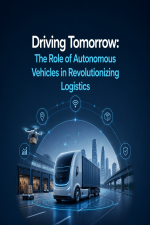
Driving Tomorrow
The Role of Autonomous Vehicles in Revolutionizing Logistics
The logistics industry stands on the cusp of a significant transformation, driven primarily by advancements in autonomous vehicle technology. As businesses seek innovative ways to improve efficiency, reduce costs, and enhance service delivery, the introduction of self-driving vehicles presents a compelling solution. This eBook, "Driving Tomorrow," delves into the myriad ways autonomous vehicles are reshaping logistics, offering insights into their potential impact on the industry.
Understanding Autonomous Vehicles
Autonomous vehicles, often referred to as self-driving cars or trucks, utilize a combination of sensors, cameras, and artificial intelligence to navigate and operate without human intervention. These technologies enable vehicles to interpret their environment, make decisions, and execute driving tasks safely. The evolution of autonomous vehicles has progressed through various levels of automation, from driver assistance systems to fully autonomous operations capable of handling complex logistics tasks.
Benefits of Autonomous Vehicles in Logistics
The integration of autonomous vehicles into the logistics sector offers several key benefits that can enhance operations:
- Increased Efficiency: Autonomous vehicles can operate around the clock without the need for breaks, significantly increasing throughput in warehousing and delivery systems. This continuous operation allows businesses to optimize their logistics processes and reduce delivery times.
- Cost Reduction: By minimizing human labor costs and reducing the likelihood of accidents, companies can achieve substantial savings. Autonomous vehicles are also designed to be more fuel-efficient, further lowering operational costs.
- Enhanced Safety: With advanced safety features and real-time data processing capabilities, autonomous vehicles can adapt to changing conditions and avoid potential hazards more effectively than human drivers. This reduction in accidents not only protects assets but also ensures the safety of personnel and the general public.
- Sustainability: Autonomous vehicles can contribute to greener logistics through optimized routing and reduced emissions. Many autonomous systems are being developed with electric or hybrid technologies, aligning with the global push for sustainable practices in logistics.
Challenges to Adoption
Despite the promising benefits, the adoption of autonomous vehicles in logistics is not without its challenges. These hurdles must be addressed before widespread implementation can occur:
- Regulatory Hurdles: The regulatory environment surrounding autonomous vehicles is still evolving. Governments around the world are working to establish guidelines and safety standards to ensure that these vehicles can operate safely on public roads.
- Technological Limitations: While significant progress has been made, challenges remain in developing fully autonomous systems that can handle all driving scenarios, particularly in urban environments with complex traffic conditions.
- Infrastructure Readiness: Current infrastructure may not be equipped to support autonomous operations fully. Investments in smart infrastructure, such as improved roadways and communication systems, will be necessary to facilitate smoother integration.
- Public Perception: Public acceptance of autonomous vehicles is a critical factor in their adoption. Concerns about safety, job loss, and the reliability of self-driving technology can hinder acceptance and widespread use.
The Future of Logistics with Autonomous Vehicles
As the logistics industry continues to evolve, the role of autonomous vehicles will undoubtedly become more pronounced. Companies investing in this technology are likely to gain a competitive edge, positioning themselves as leaders in a rapidly changing marketplace. Future developments may include:
- Integration with Smart Technologies: Autonomous vehicles will increasingly connect with IoT devices and other smart technologies to create a more streamlined and efficient logistics ecosystem.
- Last-Mile Delivery Solutions: Autonomous vehicles are poised to revolutionize last-mile delivery, solving challenges associated with urban deliveries through innovative approaches such as drone delivery and autonomous delivery vans.
- Data-Driven Decision Making: The data generated by autonomous vehicles will provide valuable insights into logistics operations, enabling companies to make informed decisions that enhance efficiency and customer satisfaction.
In conclusion, "Driving Tomorrow" presents a comprehensive overview of how autonomous vehicles are poised to revolutionize the logistics industry. As technological advancements continue to unfold, the potential for enhanced efficiency, cost savings, and improved safety will drive further exploration and integration of these innovative systems. The journey toward a fully autonomous logistics landscape is underway, promising a future where transportation is smarter, safer, and more sustainable.
Access This eBook and a Growing Digital Product Library
This eBook is included with the Master Resale Rights Club membership. Members receive access to thousands of Master Resale Rights ebooks and digital resources, with new products being added to the library regularly.
Whether you are looking to:
- Resell digital products and keep 100% of the profits
- Build your own digital product collection
- Offer bonuses to your customers or subscribers
- Provide additional value to your membership site members
our growing library can help you expand your content offerings without creating everything from scratch.
Premium Membership
Get instant access to this eBook plus 3700+ digital products for a single low yearly fee.
Join Membership – $37 / YearFree Membership
Want to explore the library first? Join our free membership and receive a selection of complimentary MRR ebooks while staying informed about new product additions.
Create Free AccountFranchisee Access
Website owners and platform builders can offer products from our library directly on their own websites through our API-powered Franchisee program, without manually downloading, uploading, or managing files.
Explore Franchisee Access – $25 / MonthNot sure which option is right? Membership is ideal for individuals and resellers. Franchisee access is designed for website owners and businesses.
Product Generation Note: This eBook was researched and drafted using advanced Artificial Intelligence (AI) and curated by the Master Resale Rights Club editorial team. We use AI to provide our members with the most current 2026 market insights and high-frequency content updates while maintaining our standard of quality.