


October 2026 Product
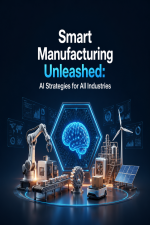
Smart Manufacturing Unleashed
Introduction to Smart Manufacturing
Smart manufacturing represents a transformative approach to industrial production, leveraging advanced technologies such as artificial intelligence (AI), the Internet of Things (IoT), and big data analytics. This paradigm shift is not confined to a single industry; rather, it encompasses a wide array of sectors, from automotive to electronics, textiles to food production. As organizations seek to enhance efficiency, reduce waste, and improve quality, smart manufacturing provides the necessary strategies and tools to achieve these goals.
The Role of AI in Manufacturing
Artificial intelligence plays a crucial role in the evolution of smart manufacturing. By integrating AI into manufacturing processes, companies can make data-driven decisions that optimize production lines and supply chains. Here are some key applications of AI in manufacturing:
- Predictive Maintenance: AI algorithms analyze data from machinery to predict failures before they occur, thereby minimizing downtime and maintenance costs.
- Quality Control: Machine learning models can identify defects in real-time during the production process, ensuring that only high-quality products reach the market.
- Supply Chain Optimization: AI can enhance inventory management and demand forecasting, allowing manufacturers to respond swiftly to market changes.
- Robotic Process Automation: AI-powered robots can perform repetitive tasks with precision, improving productivity and safety in the workplace.
Benefits of Implementing Smart Manufacturing
The adoption of smart manufacturing practices yields numerous benefits that can significantly impact an organization’s operations:
- Increased Efficiency: Streamlined processes powered by AI lead to faster production cycles and reduced operational costs.
- Enhanced Flexibility: Smart manufacturing systems can quickly adapt to changing consumer demands, allowing for greater customization of products.
- Improved Sustainability: By optimizing resource usage and minimizing waste, smart manufacturing contributes to environmental sustainability goals.
- Data-Driven Insights: Real-time data collection and analysis empower manufacturers to make informed decisions that can improve overall performance.
Challenges in Smart Manufacturing Implementation
While the advantages of smart manufacturing are compelling, organizations may encounter several challenges during implementation:
- Integration of Technologies: Merging new technologies with existing systems can be complex and may require significant investment in infrastructure.
- Workforce Training: Employees need to be trained to work with advanced technologies, necessitating ongoing education and skill development.
- Data Security: As manufacturing becomes more connected, the risk of cyber threats increases, making robust cybersecurity measures essential.
Strategies for Successful Implementation
To successfully transition to smart manufacturing, organizations can follow these strategic steps:
- Conduct a Thorough Assessment: Evaluate current processes, technologies, and workforce capabilities to identify areas for improvement.
- Develop a Clear Roadmap: Create a strategic plan that outlines the goals, timelines, and resources required for the transition.
- Invest in Technology: Choose the right tools and platforms that align with organizational objectives and provide scalability for future growth.
- Foster a Culture of Innovation: Encourage collaboration and continuous improvement among teams to drive innovation within the organization.
Conclusion
Smart manufacturing is more than just a trend; it represents a significant shift in how industries operate in the modern economy. By leveraging AI strategies, organizations can unlock new efficiencies, enhance product quality, and adapt to ever-changing market demands. While challenges exist, a strategic approach to implementation can lead to substantial long-term benefits. As businesses continue to explore AI solutions, the future of manufacturing looks promising, with opportunities for innovation and growth across all sectors.
Access This eBook and a Growing Digital Product Library
This eBook is included with the Master Resale Rights Club membership. Members receive access to thousands of Master Resale Rights ebooks and digital resources, with new products being added to the library regularly.
Whether you are looking to:
- Resell digital products and keep 100% of the profits
- Build your own digital product collection
- Offer bonuses to your customers or subscribers
- Provide additional value to your membership site members
our growing library can help you expand your content offerings without creating everything from scratch.
Premium Membership
Get instant access to this eBook plus 3700+ digital products for a single low yearly fee.
Join Membership – $37 / YearFree Membership
Want to explore the library first? Join our free membership and receive a selection of complimentary MRR ebooks while staying informed about new product additions.
Create Free AccountFranchisee Access
Website owners and platform builders can offer products from our library directly on their own websites through our API-powered Franchisee program, without manually downloading, uploading, or managing files.
Explore Franchisee Access – $25 / MonthNot sure which option is right? Membership is ideal for individuals and resellers. Franchisee access is designed for website owners and businesses.
Product Generation Note: This eBook was researched and drafted using advanced Artificial Intelligence (AI) and curated by the Master Resale Rights Club editorial team. We use AI to provide our members with the most current 2026 market insights and high-frequency content updates while maintaining our standard of quality.