


September 2026 Product
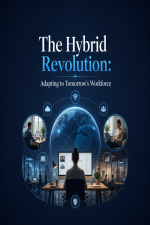
The Hybrid Revolution
Understanding the Hybrid Work Model
The concept of hybrid work has gained significant traction in recent years, particularly accelerated by global events that necessitated remote working arrangements. This model combines the flexibility of remote work with the collaborative benefits of traditional office environments. In essence, hybrid work allows employees to split their time between working remotely and being present in the office. This adaptability is not merely a response to current trends but signals a fundamental shift in how organizations approach work and employee engagement.
The Shift in Workforce Dynamics
The transition to a hybrid work model reflects broader changes in workforce dynamics, influenced by technological advancements, employee preferences, and the need for organizational resilience. As businesses adapt to this model, they must consider several key factors:
- Employee Autonomy: The hybrid model empowers employees by allowing them to choose their working environment, leading to increased job satisfaction and productivity.
- Technology Integration: Successful implementation relies on robust technological infrastructure to facilitate seamless communication and collaboration between remote and in-office teams.
- Work-Life Balance: Hybrid work promotes better work-life balance, enabling employees to manage personal commitments alongside professional responsibilities.
Benefits of the Hybrid Work Model
The advantages of adopting a hybrid work model extend beyond employee satisfaction. Organizations can reap a multitude of benefits, including:
- Increased Efficiency: Flexibility often results in enhanced productivity, as employees can work in environments that suit their individual needs and preferences.
- Cost Savings: Companies can reduce overhead costs associated with maintaining large office spaces and can optimize resources based on actual occupancy rates.
- Talent Attraction and Retention: Offering hybrid work options positions organizations as attractive employers, helping to draw in top talent and retain existing employees.
Challenges and Considerations
While the hybrid model presents numerous benefits, it is not without its challenges. Organizations must navigate several considerations to ensure successful implementation:
- Communication Gaps: Maintaining clear and effective communication between remote and in-office teams is crucial to avoid feelings of isolation and disengagement.
- Equitable Access: Companies must ensure that all employees have equitable access to resources and opportunities, regardless of their work location.
- Performance Management: Developing new metrics and evaluation methods that accurately assess performance in a hybrid environment is essential for fair employee assessment.
Strategies for Successful Implementation
To effectively transition to a hybrid work model, organizations should consider the following strategies:
- Establish Clear Policies: Developing comprehensive policies that outline expectations, communication protocols, and performance measures is vital for clarity and consistency.
- Invest in Technology: Equipping teams with the necessary tools and platforms for collaboration can enhance productivity and connectivity among employees.
- Encourage Team Building: Fostering a strong company culture through regular team-building activities—both virtual and in-person—can strengthen relationships and engagement.
The Future of Work in a Hybrid World
As organizations continue to navigate the complexities of the hybrid work model, the emphasis on adaptability and innovation will be paramount. The future workforce will likely witness further evolution in workplace practices, driven by ongoing technological developments and changing employee expectations. By embracing flexibility and fostering a culture of collaboration, organizations can position themselves for success in this new era of work.
Access This eBook and a Growing Digital Product Library
This eBook is included with the Master Resale Rights Club membership. Members receive access to thousands of Master Resale Rights ebooks and digital resources, with new products being added to the library regularly.
Whether you are looking to:
- Resell digital products and keep 100% of the profits
- Build your own digital product collection
- Offer bonuses to your customers or subscribers
- Provide additional value to your membership site members
our growing library can help you expand your content offerings without creating everything from scratch.
Premium Membership
Get instant access to this eBook plus 3500+ digital products for a single low yearly fee.
Join Membership – $37 / YearFree Membership
Want to explore the library first? Join our free membership and receive a selection of complimentary MRR ebooks while staying informed about new product additions.
Create Free AccountFranchisee Access
Website owners and platform builders can offer products from our library directly on their own websites through our API-powered Franchisee program, without manually downloading, uploading, or managing files.
Explore Franchisee Access – $25 / MonthNot sure which option is right? Membership is ideal for individuals and resellers. Franchisee access is designed for website owners and businesses.
Product Generation Note: This eBook was researched and drafted using advanced Artificial Intelligence (AI) and curated by the Master Resale Rights Club editorial team. We use AI to provide our members with the most current 2026 market insights and high-frequency content updates while maintaining our standard of quality.